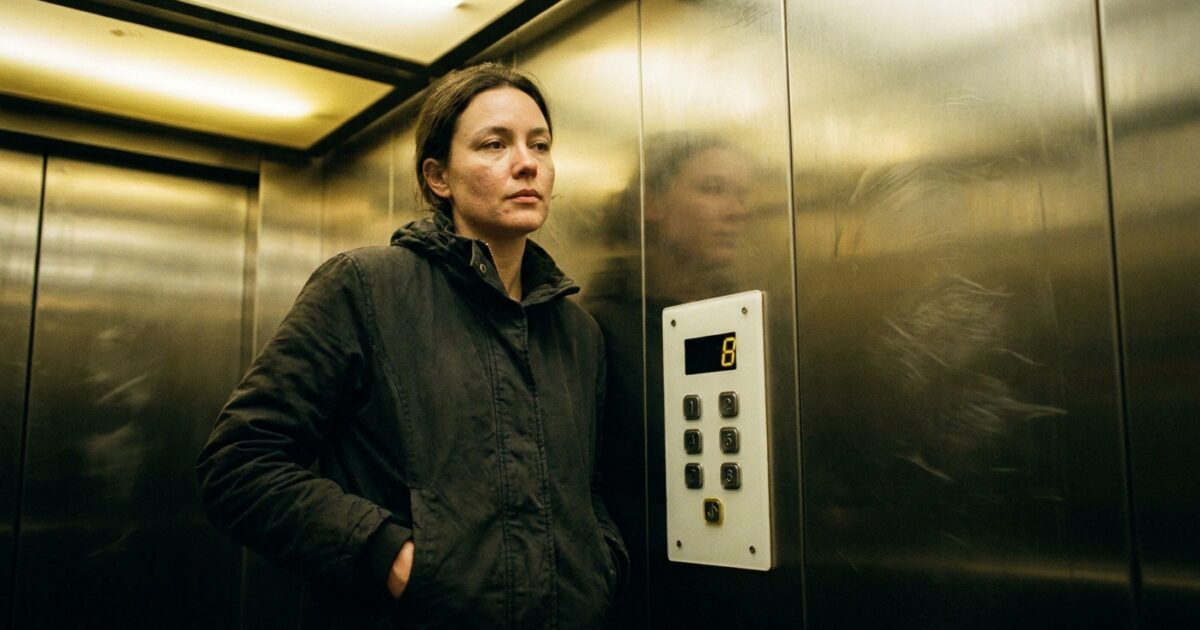
There’s a small moment that happens maybe forty times a day, and almost nobody notices it anymore. You step into an elevator. The doors close. Eight floors to go — about eleven seconds in which nothing at all is required of you. And your hand is already in your pocket, reaching for the phone.
You didn’t decide to reach. The reaching happened before the deciding. Eleven seconds of doing nothing has become almost physically uncomfortable, in a way that would have puzzled every person who lived before about 2010. The empty pocket of time used to be ordinary. Now it feels like a problem to fix.
I want to make a case for those eleven seconds. This isn’t a productivity trick or one more thing to optimize. It’s something your nervous system quietly depends on and has slowly been starved of. Doing nothing is a skill. Most of us had it as children and lost it as adults, somewhere between the first smartphone and the last time we stood in a line without scrolling. The good news is that skills come back.
When the empty moments got filled – doing nothing

Think about where the blank spaces used to live. Waiting for a kettle. Standing at a bus stop. The first few minutes in bed before sleep. The line at the pharmacy. A waiting room. A long car ride as the passenger, watching the road unspool.
None of those moments disappeared. The kettle still takes ninety seconds. The bus is still late. But every one of those gaps now has something poured into it. We reach for the screen the way you’d reach for a railing — automatically, for balance. The gap closes before we’ve even felt it open, and a chance for doing nothing quietly passes.
You were good at this once. Every child is. Lying on the floor watching dust turn in a sunbeam. Staring at the ceiling. Sitting in the back seat with your forehead on the cool glass, thinking about nothing in particular. No one taught you to do that, and no one had to. Doing nothing was the default setting, the thing that happened in all the spaces between the things. Somewhere on the way to becoming a competent adult, we set it down, and we didn’t notice it leaving.
The result is strange and almost invisible: a life with hardly any unstructured stillness left in it. Nobody planned it that way. Each gap simply felt too small to bother protecting. Eleven seconds here. Ninety seconds there. Added across a day, it comes to most of the quiet you were ever going to get. Doing nothing didn’t get banned. It got crowded out, one reflex at a time.
And the crowding wasn’t an accident. The thing in your pocket was built by people whose whole job is to make sure no gap stays empty — every loading screen, every red dot, every pull-to-refresh engineered to be a little more interesting than the eleven seconds it replaces. You’re not weak for losing to it. You’re up against the most tested persuasion machine ever made, and it is very good at turning doing nothing into one more thing to check. Naming that helps. It isn’t a character flaw. It’s a fight you didn’t know you were in.
The mind would rather be shocked
Here’s how deep the discomfort runs. In 2014, a team led by the psychologist Timothy Wilson ran a study that sounds almost like a joke until you read the numbers. They left people alone in a plain room for six to fifteen minutes with nothing to do but think. No phone. No book. Just their own mind.
Most people disliked it — that part is unsurprising. But the researchers added a twist. They gave participants the option to give themselves a mild electric shock, one each person had earlier called unpleasant enough that they’d pay money to avoid it. Offered the choice between their own thoughts and a jolt of pain, 67 percent of the men and a quarter of the women chose the shock. One man pressed the button 190 times in fifteen minutes.
Sit with that. People chose physical pain over the experience of doing nothing. The work was published in Science, and researchers have argued about it ever since, but the core finding is hard to shake off. A mind with no input, left to itself, is something many of us will go to real lengths to escape.
The honest reading isn’t that people are weak, or addicted, or broken. It’s that the capacity to sit with yourself — alert, with nothing coming in — fades when it’s never used. And almost nobody uses it anymore. Doing nothing, it turns out, is a muscle, and a muscle you stop using gets weak.
What makes this a modern problem rather than a human one is that the room used to be everywhere. Solitude with your own mind wasn’t an experiment you signed up for; it was just an ordinary Tuesday afternoon. Now it has to be manufactured, defended, almost scheduled, because the alternative is always within arm’s reach and always more immediately rewarding. The capacity didn’t break. The conditions that used to keep it in shape simply went away.
Doing nothing is not what you think it is
The Dutch have a word for the thing we misplaced: niksen. It comes from niks, meaning nothing, made into a verb. To niks is to do nothing on purpose. Looking out a window. Sitting in a chair and letting your gaze go soft. Listening to rain without also checking the weather app.
What’s useful about niksen is everything it isn’t. It isn’t meditation — no technique, no breath to count, no goal to reach. It isn’t scrolling, which only looks like rest while keeping the mind fully booked. It isn’t planning dinner or rehearsing an argument. Doing nothing, in this sense, is the rare state of being awake, alert, and aimless at once. No input, no output. Just being a person in a room.
It sounds too simple to matter. The Dutch treat it as ordinary upkeep, the mental version of stretching. Olga Mecking, who wrote a book on the practice, makes the point that the whole appeal is that there’s no correct way to do it. You cannot fail at doing nothing. Which is exactly what makes it hard for people trained to turn every spare hour into a result.
What happens when you finally stop
The strange part is that the brain doesn’t switch off when you do nothing. It switches over.
When you stop pushing your attention outward — no task, no screen, no problem to gnaw on — a particular set of brain regions comes online. Neuroscientists call it the default mode network, and for years they wrote it off as the brain idling. It’s the opposite of idle. This is the system that files away memories, links ideas that were sitting in separate rooms, and works through the emotional residue of your day. It engages fully only when you stop feeding the mind from outside.
That’s why your best ideas show up in the shower, on a walk, in the half-asleep drift before sleep. Not while you concentrate, but after you’ve stopped. The shower may be the last reliable place most of us still practice doing nothing, and the mind treats it like an oasis.
There’s research on the creative side too. The psychologist Sandi Mann had people do something genuinely dull — copying numbers from a phone book for fifteen minutes — and then handed them a creative task. The bored group produced more original ideas than the people who’d skipped the tedium. Her explanation was plain: a dull, passive stretch gives the mind room to wander, and a wandering mind reaches for connections a busy one walks straight past. Boredom isn’t the enemy of a good idea. It’s often the soil it grows in. Doing nothing and being a little bored are close cousins, and both are more useful than they look.
So the cost of filling every gap isn’t only that we end the day more tired. It’s that we’ve quietly shut the door on the exact mental state where rest, memory, and new ideas happen. We traded it away eleven seconds at a time, and each trade felt like nothing at all.
How to get back the art of doing nothing
You can’t think your way back into stillness. You have to leave room for it, then resist filling the room. A few things genuinely help.
Start with the gaps you already own.
You don’t need a retreat. You need to not reach for your phone in the elevator. Let the kettle boil while you stand there. Ride eight floors looking at the wall. These are tiny, almost laughable amounts of time — but they’re the reps. The point of doing nothing here isn’t the eleven seconds. It’s teaching your hand to stay in your pocket.
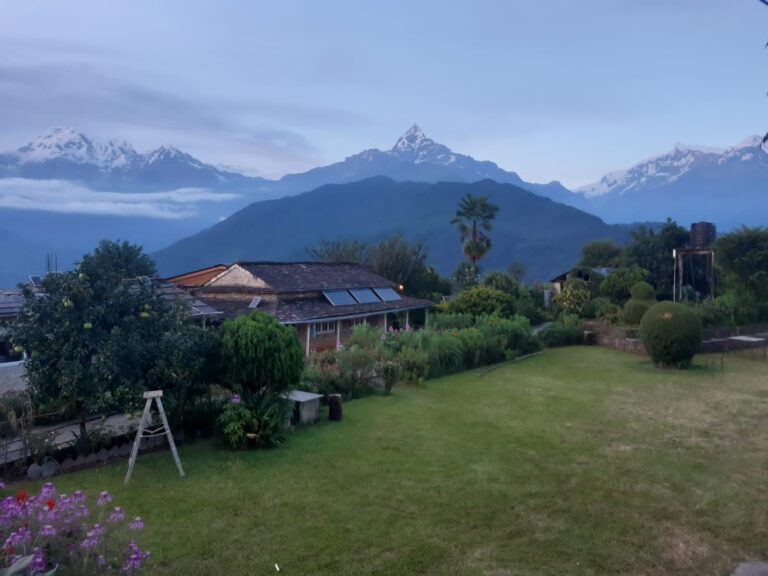
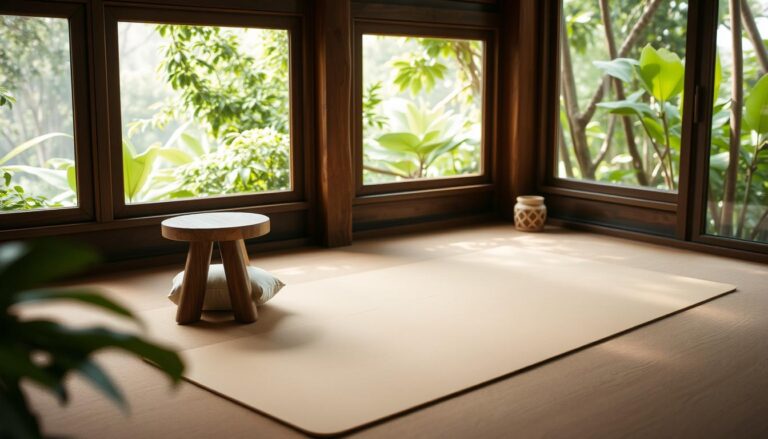
Pick a window and a chair. Doing nothing likes a soft target for the eyes. A window works because there’s something to rest your gaze on — a tree, the street, the sky — without anything demanding a reply. Five minutes. Keep the phone out of the room, not just face-down; visible is enough to keep part of your mind on a leash.
Let it feel useless. This is the hard part. The first minutes of doing nothing feel like wasting time, and a voice will tell you to go be productive. That voice is the withdrawal. The discomfort is the muscle working for the first time in years. It passes — usually faster than you’d expect — into something that feels less like boredom and more like quiet.
Let the walk be just a walk. A walk with a podcast in your ears is a fine walk, but it isn’t doing nothing — the mind is still being fed. Once in a while, leave the earbuds at home. Let the street be the only soundtrack. This is where the wandering mind does its best connecting, and where the idea you’ve been chasing at your desk all week tends to arrive on its own, unannounced.
Guard the edges of the day. The first minutes after waking and the last before sleep are the most colonized real estate in modern life, the moments we now hand straight to a screen. Taking back even one of them — lying there awake, doing nothing — gives the default mode network the runway it needs to do its quiet work.
None of this is a technique you’ll get good at, and that’s the whole point. Doing nothing is the one practice with no finish line and no scoreboard, which is exactly why it reaches what a busier kind of effort can’t.
The elevator doors close. Eight floors to go. See if you can let your hand stay where it is, and give yourself eleven seconds of the thing you forgot you needed. The lost art of doing nothing starts there — in the gap you were about to fill.
For more, contact us
References:
• Wilson, T. et al. (2014). “Just think: The challenges of the disengaged mind,” Science.
• Niksen — the Dutch art of doing nothing. — time.com/5622094/what-is-niksen/ (also Blue Zones)
• Mann, S. & Cadman, R. (2014). “Does Being Bored Make Us More Creative?”, Creativity Research Journal.
The book adapts this exact practice for chemo days, waiting rooms, and the caregivers doing this every day: Meditation for Cancer.