
The Fertility Journal — Writing Your Way Back to Safety, Trust & Hormonal Flow
Your body listens long before it responds.
It listens to the tone of your thoughts, the cadence of your self‑talk, the stories you repeat when no one else is around.
For many people on the fertility journey, the mind becomes loud while the body becomes quiet. Tracking, researching, hoping, bracing — all while the deeper emotional truth waits, unexpressed.
Fertility journaling is not about positive thinking.
It is about nervous‑system honesty.
When you write, you lower internal pressure.
When pressure drops, hormones regulate more easily.
When the nervous system feels safe, the reproductive system can soften and respond.
This is why journaling belongs at the center of conscious fertility care.

1. Why Writing Affects Hormones
Stress hormones rise when emotions are suppressed.
Cortisol competes with progesterone.
Adrenal overload disrupts ovulation signals.
Journaling helps by:
- discharging unspoken fear
- organizing emotional overwhelm
- regulating the vagus nerve through rhythm
- reducing mental rumination
- restoring internal coherence
The page becomes a place your body can finally exhale.
2. Fertility Journaling vs. Productivity Journaling
This is not a to‑do list.
Not cycle data.
Not symptom tracking.
Fertility journaling is relational, not analytical.
You are not recording information — you are listening.
The tone matters more than the content.
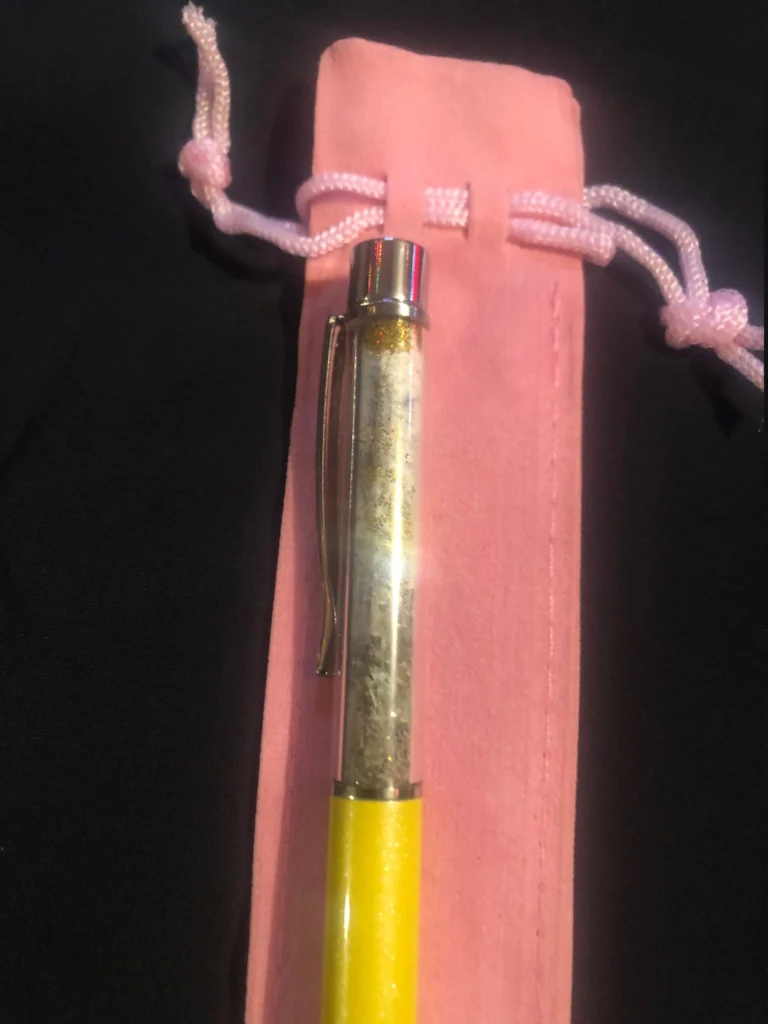
3. Setting Up Your Fertility Journal Ritual
Choose one notebook used only for this purpose.
Create a simple ritual:
- light a candle
- place one hand on your belly
- take three slow breaths
- begin writing without editing
Consistency matters more than length.
4. The Three Core Fertility Journaling Practices
Practice 1 — Nervous System Dump (Daily or As Needed)
Write freely for 5–10 minutes.
Prompt starters:
- “What I’m not saying out loud is…”
- “What scares me about this journey is…”
- “My body is asking me to know…”
Do not reread immediately.
Let the body empty itself.
Practice 2 — Cycle‑Phase Reflection (Weekly)
Follicular:
“What feels possible right now?”
Ovulation:
“Where do I feel open or connected?”
Luteal:
“What needs gentleness or boundaries?”
Bleed:
“What is completing or releasing?”
This builds trust between mind and body.
Practice 3 — Womb Dialogue (Bi‑Weekly)
Place hand on lower belly and write a dialogue:
You: “What do you need from me?”
Body: (let the response come without forcing)
Often the answer is not supplements — it is rest, warmth, or emotional permission.
5. Journaling Through Disappointment & Waiting
When another cycle passes, journaling prevents emotional implosion.
Write letters you never send:
- to your body
- to a future child
- to time itself
Grief written is grief that moves.
Grief trapped becomes tension.
6. What to Do If Journaling Brings Tears
Let them come.
Tears signal parasympathetic activation — the state fertility prefers.
Afterward:
- place both hands on your belly
- breathe slowly
- say: “I am allowed to feel and still be fertile.”
7. When to Pause Journaling
If writing becomes obsessive, punitive, or circular:
pause for a few days.
Fertility journaling is a support, not a performance.
Closing Reflection
Your journal is not judging you.
It is witnessing you.
Each page says to your body:
“I am listening. You don’t have to shout.”
And when the body feels heard, it begins — slowly, quietly — to open.
Disclaimer: Emotional wellness guidance only. Not medical advice.
This is one thread of what Fertile Again! covers in full, chapter by chapter.