Disclaimer: This article is educational only and not medical advice. Always consult your licensed health professional before beginning any new wellness practice.
Anxiety → Ease: A 12-Minute Daily Nervous System Protocol
There are mornings when your heart wakes before you do. Thoughts racing, jaw tight, body alert long before your feet touch the ground. You breathe, but it feels shallow — as if your body forgot the rhythm of peace.
If this sounds familiar, you’re not “broken.” You’re just caught in a nervous system running too fast for its own good. The good news? Regulation doesn’t require a full retreat, a therapist’s couch, or a yoga certification. It can begin with twelve minutes a day.
Welcome to the 12-Minute Protocol for Calm, a three-part ritual designed to bring your system from anxiety → ease.
Why Twelve Minutes Works
The nervous system speaks in rhythm, not logic. When stress keeps you in fight-or-flight, the body needs sensory evidence of safety: slower breath, vibration in the throat, and gravity grounding your limbs.
Twelve minutes is enough to signal: we are safe now. It’s short enough to fit between meetings, long enough to create measurable shifts in heart rate variability and vagal tone — the body’s built-in measure of calm.
The Structure: 4 + 4 + 4 = Ease
| Segment | Duration | Focus | Benefit |
|---|---|---|---|
| 1. Breath Reset | 4 min | Slow nasal breathing (4-6 pattern) | Reduces cortisol, anchors presence |
| 2. Vagal Hum | 4 min | Gentle humming or “Om” vibration | Stimulates vagus nerve, relaxes heart rate |
| 3. Legs-Up-Wall | 4 min | Passive inversion, hands on belly | Calms circulation, relieves tension |
Part 1 — Breath Reset (4 minutes)
Sit or stand tall. Inhale softly through the nose for 4 counts. Hold 1 beat. Exhale through the nose for 6 counts. Pause 1 beat. Repeat.
After two rounds, you’ll notice the exhale lengthens naturally. This signals to your parasympathetic system — the “rest and digest” branch — that danger has passed.
If you like ritual, imagine each exhale releasing static: mental noise, unfinished tasks, self-pressure. By the second minute, your shoulders drop. By the fourth, your breath feels like a homecoming.
Part 2 — Vagal Hum (4 minutes)
Now place one hand over your heart, one on your throat. Close your lips gently. Inhale through the nose, then hum out on the exhale. Choose a note that feels comfortable — a vibration you can feel in your chest.
You’re not singing; you’re tuning.
This sound activates the vagus nerve, the longest nerve in your body, linking brain, heart, and gut. The vibration creates a literal frequency of calm.
Experiment: alternate hums with a long “Om,” or try humming along to ambient music. You’ll feel a subtle warmth spread through your body — that’s your physiology softening.
Part 3 — Legs-Up-Wall (4 minutes)
Lie on your back near a wall or headboard. Scoot close enough to lift your legs up, heels resting against the wall, arms relaxed by your sides.
Let gravity drain the static from your limbs. Breathe naturally. If your mind wanders, bring one hand to your belly, one to your heart. Feel the movement of air between them — the bridge of life continuing even when you rest.
After four minutes, roll to one side slowly, sit up, and notice: the world hasn’t changed — but your body’s capacity to meet it has.
When to Practice (Cycle-Aware Scheduling)
For women cycling naturally, pair the protocol with hormonal rhythms:
- Follicular phase (Day 1–14): Practice in the evening to counter new-cycle energy.
- Luteal phase (Day 15–28): Practice morning and evening for emotional steadiness.
- During PMS or anxiety spikes: Add one extra 4-minute breath set midday.
For everyone else, use it as a boundary ritual — before sleep, after long screen use, or post-conflict.
The Science in Gentle Terms
- Breathing balances carbon-dioxide levels and heart-rate variability.
- Humming boosts nitric oxide production and increases vagal tone.
- Leg elevation reduces sympathetic activation and supports lymphatic flow.
Together, they restore the body’s natural pendulum between activation and rest — the dance your ancestors lived by long before smartphones existed.
From Protocol to RitualTransformation happens when practice becomes ritual.
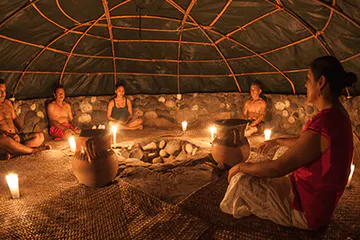
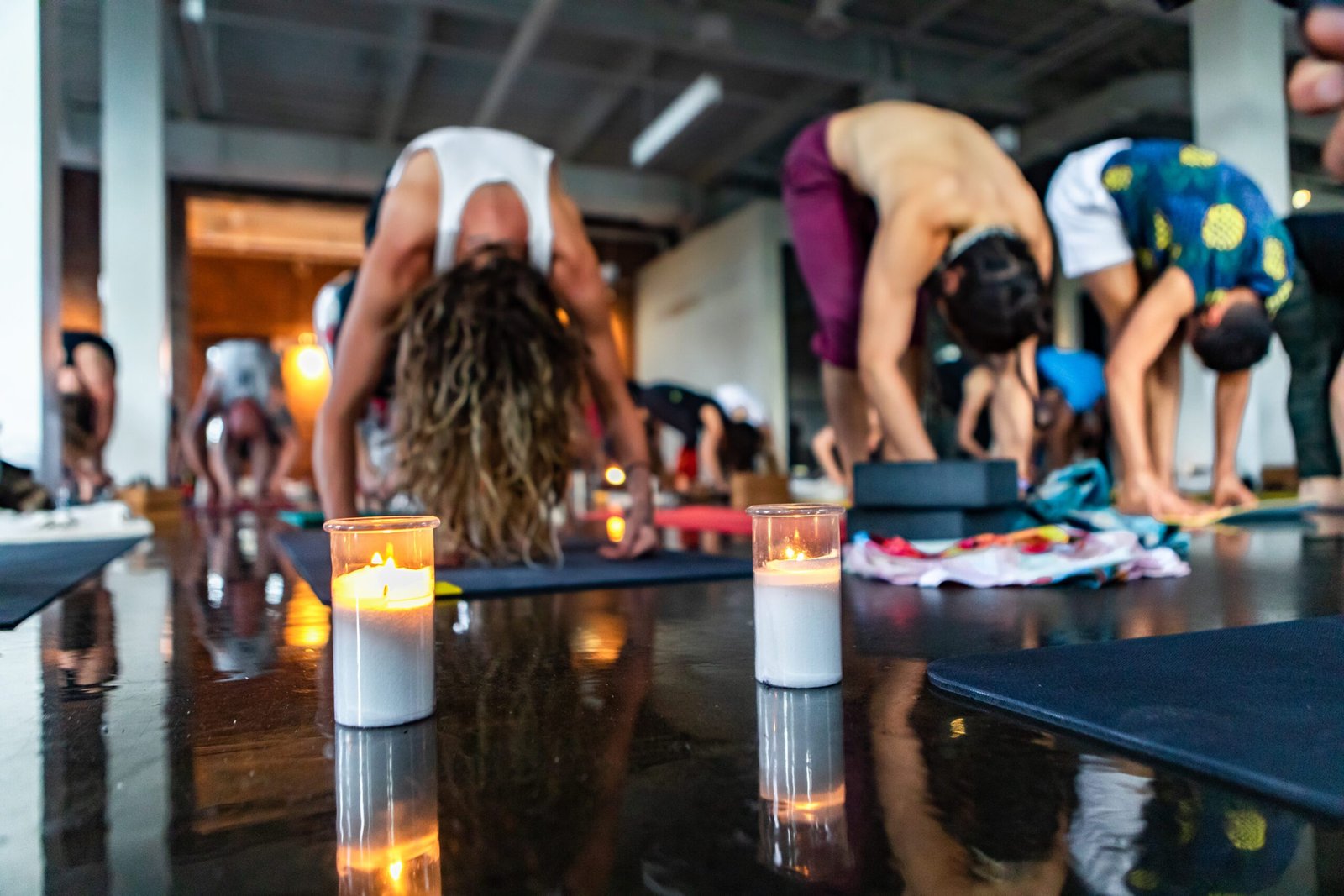
Before you begin, light a candle or apply a drop of calming essential oil. End with a sip of water or tea. These sensory bookends tell your subconscious: “This is a sacred pause.”
Keep a small note in your journal:
‘Today my body found calm in 12 minutes.’
Over time, you’ll have proof — not of perfection, but of practice.
When Twelve Minutes Isn’t Enough
Some days, anxiety feels louder than breath. That’s okay. The nervous system heals through consistency, not intensity. If the protocol only gives you 5 % relief, keep going. The body learns safety through repetition.
You can extend any segment to 6 minutes or repeat the full cycle twice. For deep overwhelm, place one hand on your heart, whisper your name, and remind yourself: This moment is temporary. I am here, and I am safe.
Closing Reflection
When you live in a fast world, calm is rebellion.
This 12-minute ritual isn’t self-improvement; it’s self-remembering. Your body already knows how to rest. You’re simply re-introducing yourself.
Breathe. Hum. Let gravity hold you.
Twelve minutes → a lifetime of ease.
Fertile Again! picks this exact question up in more depth, built around the body's own timing rather than a countdown.