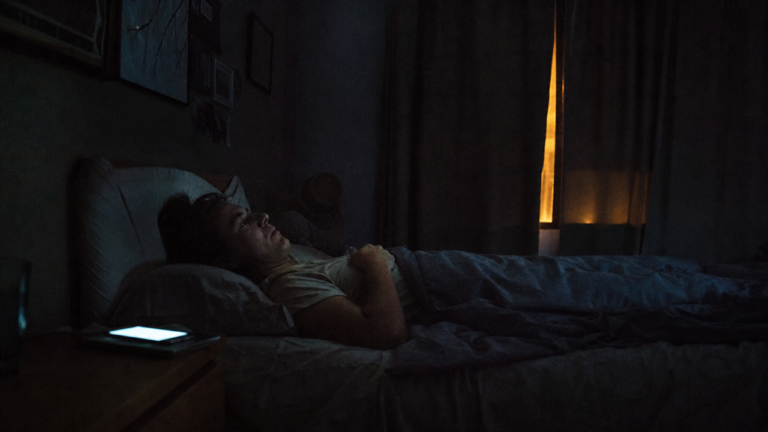
You open your eyes and reach for your phone before your breath has even lengthened. Notifications bloom like neon flowers—news, messages, reminders, endless tabs of input. Your body tenses, subtly. Heartbeat lifts. Before breakfast, you’re already in fight‑or‑flight.
We built technology to make life easier; instead, it often colonises our attention. But tech itself isn’t toxic—unconscious use is.
Technology isn’t the enemy—unconscious use is
When used with rhythm and reverence, devices extend creativity and connection. But without pause, they hijack the same nervous system pathways designed to detect danger. Every ping mimics a stress cue. The body can’t tell the difference between a predator and a push notification.
Check the link: WHO
Understanding the stress cycle and screens
Continuous partial attention keeps your sympathetic nervous system on alert. Cortisol rises; digestion, reproduction, and repair down‑shift. Over time, this creates fatigue, anxiety, poor sleep, and hormonal imbalance.
Regulating your nervous system in a digital world isn’t about quitting devices—it’s about using them rhythmically, not reactively.
Introducing MAG Tech (Mindful • Aware • Grounded)
MAG Tech is a three‑part method born from nervous‑system principles:
- Mindful: Notice your state before, during, and after tech use.
- Aware: Observe triggers, purpose, and time boundaries.
- Grounded: Reconnect to body sensations before re‑engaging.
This cycle helps the body integrate digital life without burnout.
The 3‑Step MAG Tech daily protocol
Step 1: Morning Margin (0–60 min phone‑free).
Upon waking, give your body a buffer before screens. Morning light, hydration, stretch, and one handwritten note anchor you in physical reality before digital inputs.
Step 2: Midday Micro‑Reset.
Every 90 minutes, pause for a 2‑minute sensory reset: look away from the screen, roll shoulders, breathe 4/6, sip water. These micro‑pauses lower accumulated adrenaline.
Step 3: Evening Decrescendo
One hour before bed, transition screens to night mode or airplane. Dim lights, slow breath, analog activities—reading, journaling, gentle movement.
Together, these three steps regulate the up‑down rhythm your nervous system craves.
Evening digital wind‑down for better sleep
Blue light suppresses melatonin, but emotional stimulation matters more. Scrolling social media re‑activates comparison and vigilance. Replace your last 30 minutes of screen time with tactile cues: warm lighting, herbal tea, slow instrumental playlist. Within a week, most people notice easier sleep onset and deeper rest.
Weekend and travel variations
- Weekend: one half‑day “tech sabbath”—phones on silent, out of sight. Let boredom guide you back to presence.
- Travel: designate flight mode from boarding to baggage claim; use the journey as sensory meditation.
Signs your nervous system is recalibrating
- You breathe deeper without prompting.
- Eye tension and jaw clenching ease.
- You crave outdoor light more than screen glow.
- Focus increases, reactivity drops.
These are proof your nervous system is re‑finding baseline safety.
Integrating tech awareness into modern rituals
Pair your digital hygiene with other Arumi Nomad micro‑rituals:
- Morning Landing (sunlight + intention before screens).
- Evening Close (dim lights + release list).
- Threshold Ritual (put phone down before entering home).
MAG Tech is less detox, more devotion: to presence, breath, and balance in a wired world.
Closing thought:
Technology isn’t leaving our lives. But when we infuse it with mindfulness, awareness, and grounding, we reclaim our sovereignty. Your nervous system doesn’t need less tech—it needs more you.
The book goes further into this: Fertile Again! — A Holistic Path to Conception for Women, Men & Couples.